Here is the video presentation our group did for Roomys.in. To make improvements to the site we will first use 2 IDEO methods to discover the shortcomings; extreme user interview and fly on the wall. Two other IDEO methods to develop ideas for new features and functionalities; Draw the experience and word-concept association.
Tuesday, December 6, 2016

Term Paper Visual Research Methods
Draw the experience and Word-concept association
These methods were useful tools used to generate new features and functionalities for the site Roomys.in. These particular visual research methods were appropriate as they are used in research to bring out information that might remain submerged in verbal interviews. Furthermore they enabled participants to visualize their thoughts and develop more stimulating responses.
Draw the experience findings:

Word-concept association findings:

These methods were useful tools used to generate new features and functionalities for the site Roomys.in. These particular visual research methods were appropriate as they are used in research to bring out information that might remain submerged in verbal interviews. Furthermore they enabled participants to visualize their thoughts and develop more stimulating responses.
Draw the experience findings:
Word-concept association findings:
Reading: Gladden, "Stop the life-cycle, I want to get off"
This reading was assigned for week 4 and personally it wasn't one that I enjoyed reading. I felt that the article did not do a good job of explaining technical terms or properly describe the waterfall process and the non-cyclical Hollywood model. This made the article harder for me to read.
However I did like the concept of the article which discussed how the typical software life-cycle is no longer helpful as it encourages late alterations which would inevitably impact each subsequent task. I also felt like the authors proposed reasonable solutions to this problem such as introducing mock-ups of the physical hardware earlier on in the project to avoid changes in later stages.
However I did like the concept of the article which discussed how the typical software life-cycle is no longer helpful as it encourages late alterations which would inevitably impact each subsequent task. I also felt like the authors proposed reasonable solutions to this problem such as introducing mock-ups of the physical hardware earlier on in the project to avoid changes in later stages.
Reading: Yoo et al, "From Organization Design to Organization Designing"
This was one of my favourite readings from the module as it highlights three different elements in design; architectural vision, use of representational technologies and a collaborative network for design and construction. I liked how the authors apply these three elements to the four architectural cases and shows the contrast in requirements. For example, for the 'Experience Music Project' in Seattle, construction was not as heavily regulated as opposed to the architecture in Bilbao.
Out of the four designs I was most intrigued by the design of the 'Fish Sculpture' in Barcelona as it incorporated stainless steel panels and an exposed steel structure to mimic a fish in a pond.
Architecture 1: Fish Sculpture, Barcelona

Architecture 2: Guggenheim Museum, Bilbao

Architecture 3: Experience Music Project, Seattle

Architecture 4: Peter B Lewis Building, Cleveland

Out of the four designs I was most intrigued by the design of the 'Fish Sculpture' in Barcelona as it incorporated stainless steel panels and an exposed steel structure to mimic a fish in a pond.
Architecture 1: Fish Sculpture, Barcelona
Architecture 2: Guggenheim Museum, Bilbao
Architecture 3: Experience Music Project, Seattle
Architecture 4: Peter B Lewis Building, Cleveland
Lego Robotics Exercise
This exercise was a fun way to show different approaches to design. My team and I were initially overwhelmed with the number of pieces we had to connect but we managed to complete most of it. Without using the manual each member took a different approach to building the robot, either starting with the main frame or the wheel extensions. That to me highlighted the significance of what different users see in design building.

iPod and iPhone Class Exercise
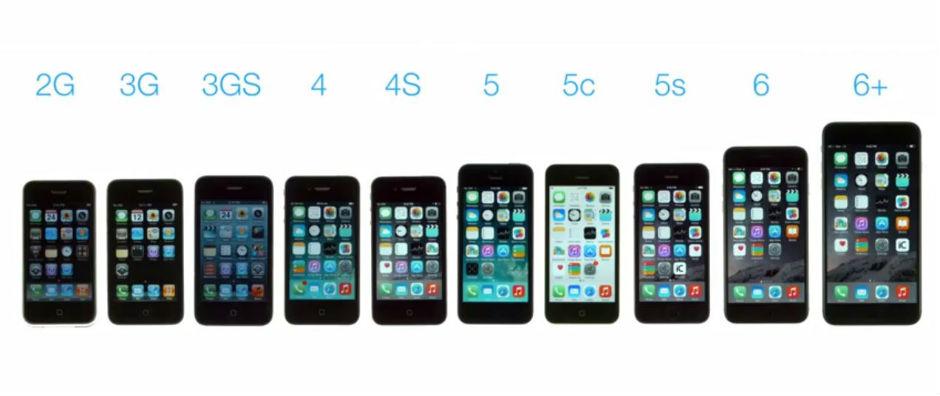
This exercise was very interesting as it showed the level of 'innovation' in these Apple products. lining each products in order of release date really highlighted the lack of innovation from around 2007 and 2008 onward. This false concept of innovation is further highlighted in the Forbes article, 'Apple's problem is that it can no longer innovate'. Another interesting article I found that related to this is called, 'Here's proof of Apple's downward fall from innovator to imitator' which coins the term 'Apple-ism' to describes the idea that Apple takes an already piece of existing technology and sells it as their own using a mass marketing approach. This to me is the reason why Apple are still able to sell new models even though they are not innovative.
http://www.forbes.com/sites/theopriestley/2015/09/10/apples-core-problem-is-that-it-can-no-longer-innovate/#60e624212036 [Accessed 6 Dec. 2016].
http://gizmodo.com/heres-proof-of-apples-downward-fall-from-innovator-to-i-1710185505
http://www.forbes.com/sites/theopriestley/2015/09/10/apples-core-problem-is-that-it-can-no-longer-innovate/#60e624212036 [Accessed 6 Dec. 2016].
Monday, September 19, 2016
system in the wildfin.mp4 from Temi Ogunyemi on Vimeo.
This time-lapse video shows the way the traffic lights operate in this particular junction. I sped up the video by 8x to show the order of this system and how it controls the flow of traffic. This observation shows the light pattern go from the bottom, to the left, right and then the incoming cars from the front.
The 'Fly on the Wall' technique was used to observe any sort of context in this video. I noticed that certain people understood and correctly anticipated the system. For instance, at 4 seconds, you can see a man crossing the road even though the pedestrian lights were red. Similarly at 17 seconds, the silver car on the right (at the top of the queue) creeped before his light turned green. This shows that these people were able to interpret the pattern of this system.
On the other hand at 12 seconds, the black car at the bottom sped past the green light; anticipating it to turn red. However the driver did not realise that both lights would eventually turn green.
This time-lapse video shows the way the traffic lights operate in this particular junction. I sped up the video by 8x to show the order of this system and how it controls the flow of traffic. This observation shows the light pattern go from the bottom, to the left, right and then the incoming cars from the front.
The 'Fly on the Wall' technique was used to observe any sort of context in this video. I noticed that certain people understood and correctly anticipated the system. For instance, at 4 seconds, you can see a man crossing the road even though the pedestrian lights were red. Similarly at 17 seconds, the silver car on the right (at the top of the queue) creeped before his light turned green. This shows that these people were able to interpret the pattern of this system.
On the other hand at 12 seconds, the black car at the bottom sped past the green light; anticipating it to turn red. However the driver did not realise that both lights would eventually turn green.
Subscribe to:
Comments (Atom)